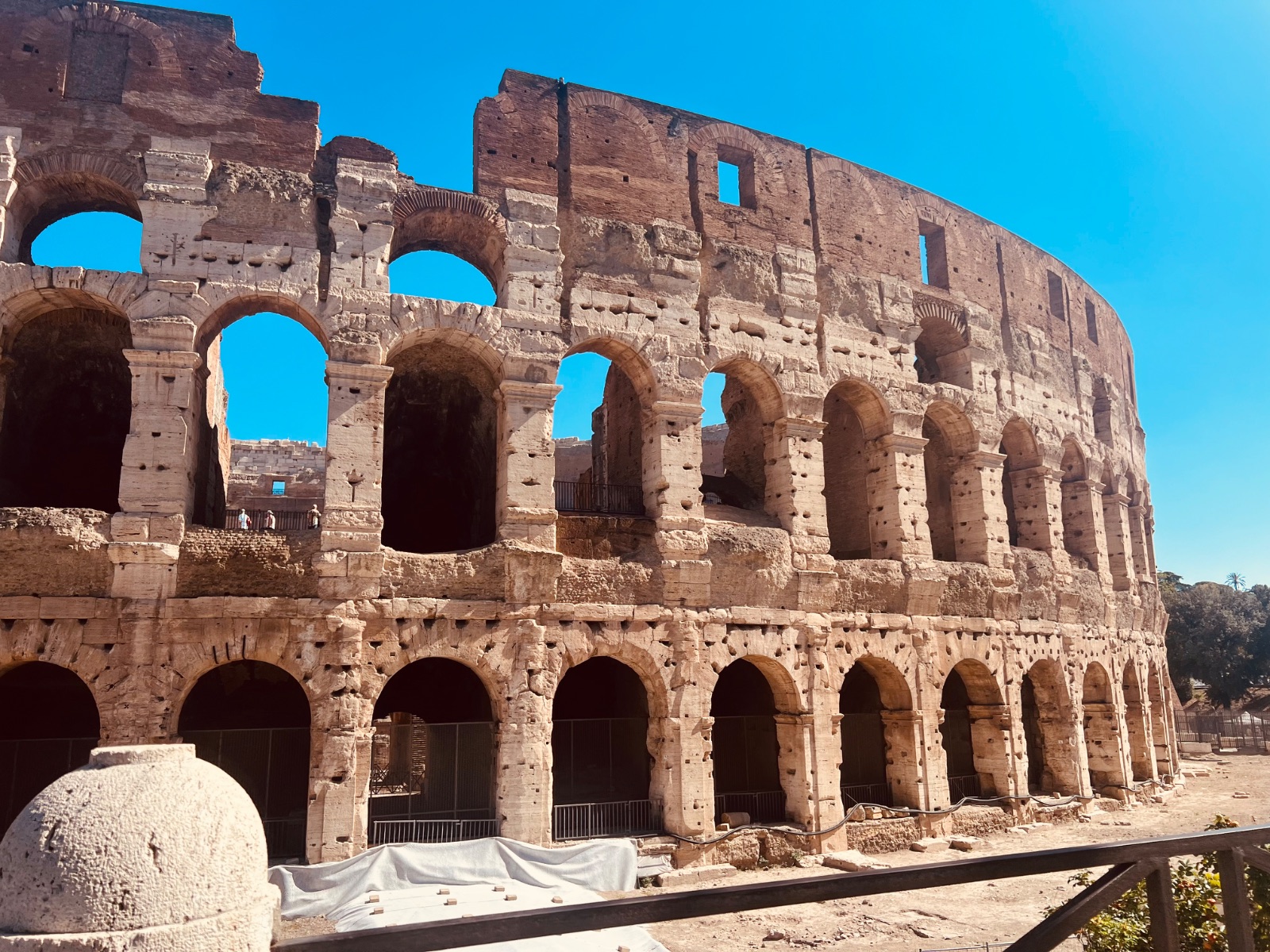
For most first-time visitors, a guided tour, or a custom itinerary with private guides and transfers, is the easiest way to see Italy well. Someone else handles the trains, hotels, luggage and timed museum entries, and expert guides bring Rome, Florence and Venice to life. Independent travel can be wonderful too, but it rewards travelers who are comfortable planning every detail themselves.
The good news is that it isn't an all-or-nothing choice. Many of our clients choose a "best of both" trip: guided where it matters most, free where they want to wander. Here's how to decide which style fits you.
Guided Tour vs. Independent Travel in Italy at a Glance
- Guided group tour: Hotels, transportation, many meals and expert guides included; less planning, less flexibility.
- Independent travel: Total freedom to set your pace; you handle trains, tickets, reservations and luggage.
- Custom guided itinerary: A private plan built around you, with hand-picked hotels, private transfers and local guides only where you want them.
- Best seasons: April through June and September through October offer the most pleasant weather; summer brings heat and crowds.
- Good to know: High-speed trains connect Rome, Florence, Milan, Venice and Naples, and many top sights require advance reservations.
Is a guided tour worth it for a first trip to Italy?
Yes, for many travelers. A good tour removes the logistics that cause the most stress on a first visit, such as navigating train stations, booking timed entries and moving luggage between cities, and it adds context you'd never get on your own. Standing in the Sistine Chapel or the Roman Forum with an expert guide changes how you see them.
The trade-off is flexibility. Group tours follow a set schedule, so you'll have less time to linger in a favorite café or follow an unplanned detour. Tours range from larger coach-based itineraries to premium small-group journeys, and the style you choose shapes your whole experience.
Can you already picture yourself in the Roman Forum, hearing the stories behind every column? Tell us which cities are calling you, and we'll match you to a tour style that fits.
Is Italy easy to travel on your own?
Italy is very manageable independently, especially between major cities. High-speed trains run frequently between Rome, Florence, Venice, Milan and Naples, and the historic centers are best explored on foot. Confident travelers who enjoy research often love the freedom.
The challenges are in the details. Popular sights like the Vatican Museums, the Uffizi and Leonardo's Last Supper in Milan require advance reservations, and the most convenient time slots go fast. Driving can be stressful: many historic centers have limited traffic zones (ZTL), and entering one without authorization can lead to fines that arrive months later. Countryside regions like Tuscany are where a car or a private driver becomes useful.
What's the difference between group tours and custom guided trips?
A group tour is a fixed itinerary shared with other travelers, while a custom guided trip is designed entirely around you. With a custom trip, your Dream Designer selects the hotels, arranges private transfers between cities and books local guides for the sights you care about most, leaving free time wherever you want it.
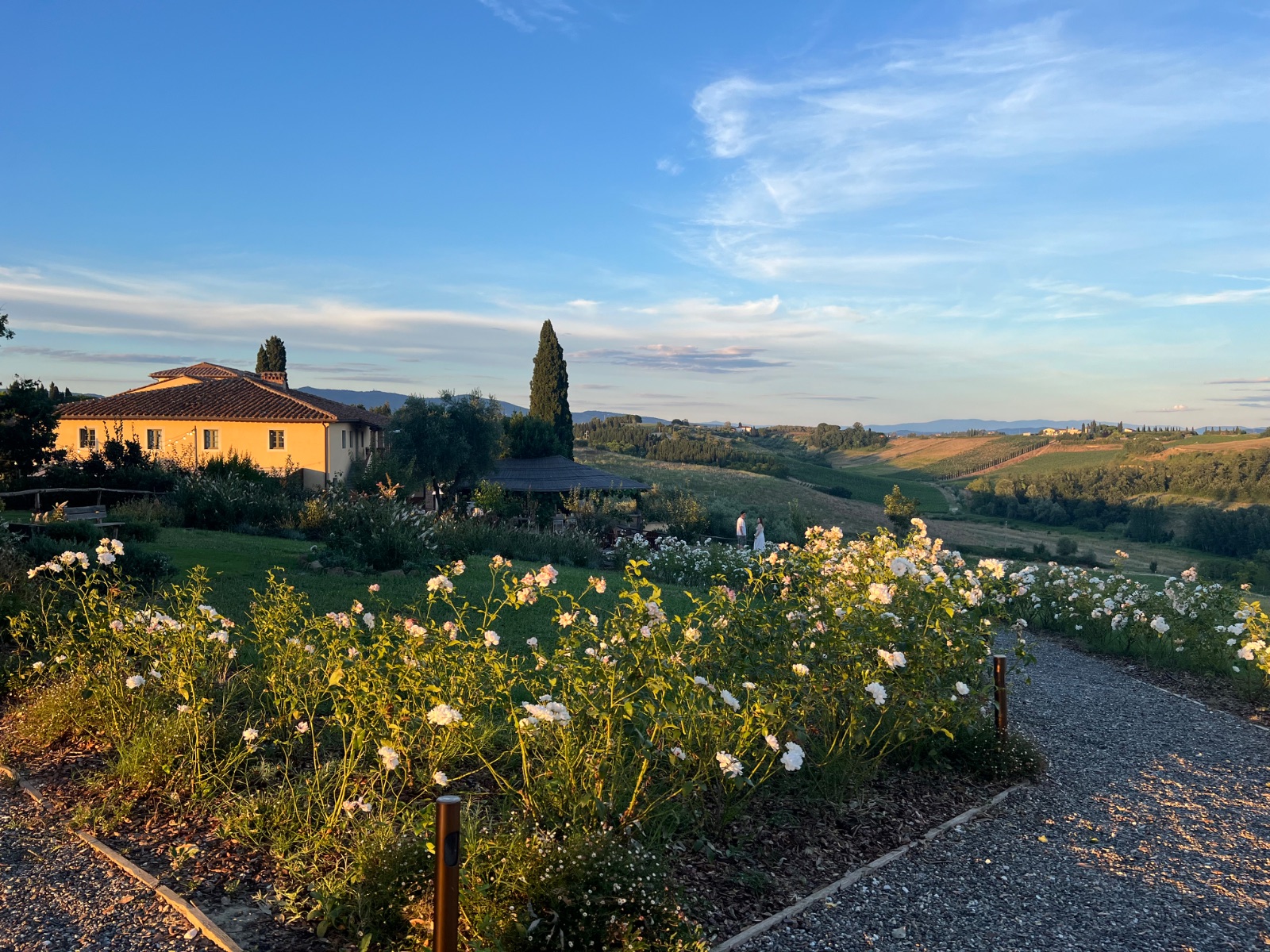
Custom trips are ideal for couples, families and friends traveling together who want the ease of a tour without the fixed schedule. They're also perfect for adding special experiences, such as a cooking class in a Tuscan farmhouse, a private gondola ride, or a wine tasting in Chianti, that make Italy feel personal.
Already dreaming of rolling out fresh pasta in a Tuscan farmhouse kitchen? Share the experiences on your wish list, and we'll weave them into your perfect Italy itinerary.
How many days do you need for a first trip to Italy?
Ten to fourteen days is ideal for a first visit covering Rome, Florence and Venice, with time for a day trip or two. With a week, focus on two cities so you're not spending your vacation in transit.
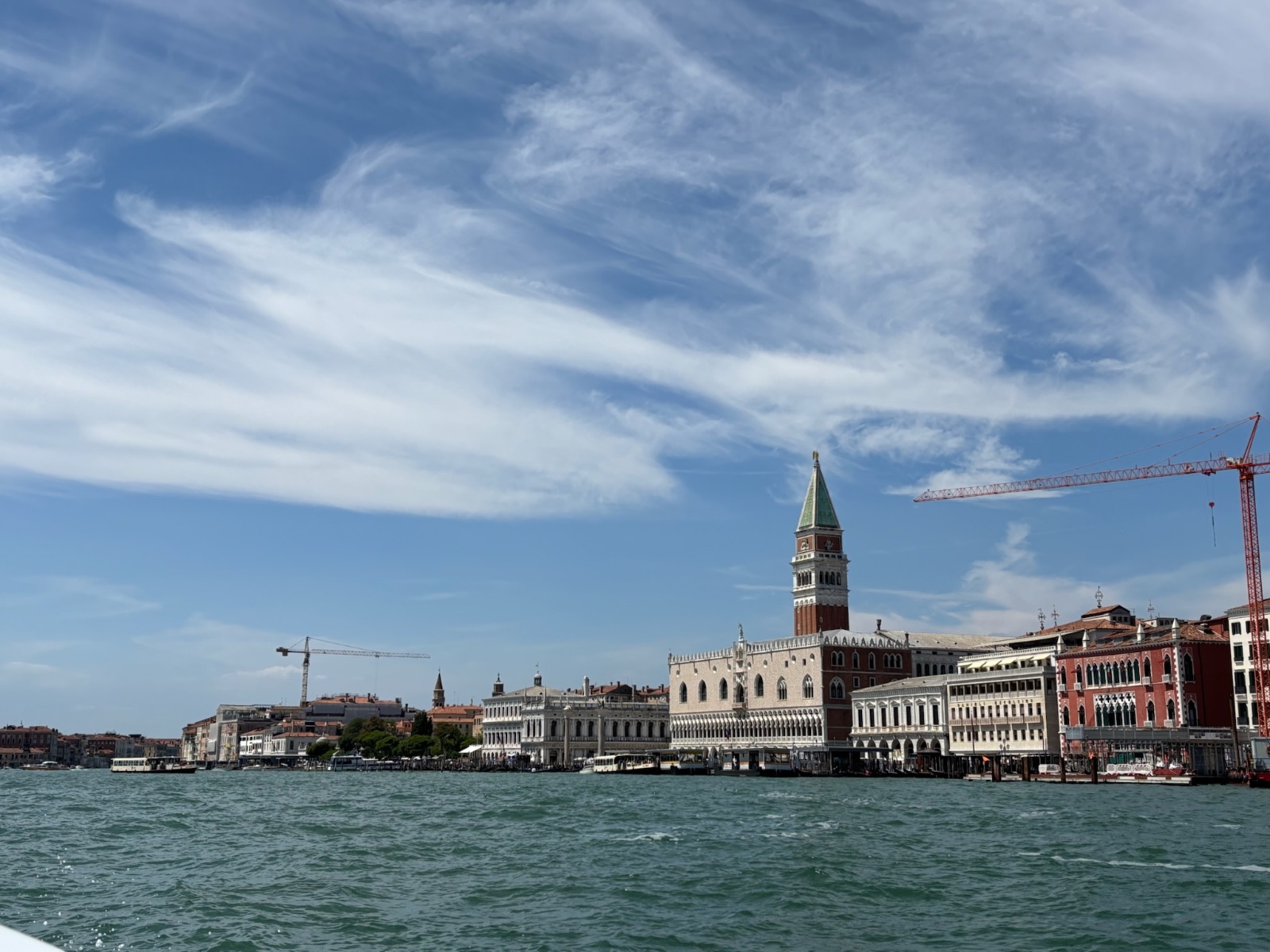
A classic first-time route moves from Rome to Florence, often with a day in Tuscany, then on to Venice. If you have more time, consider adding the Amalfi Coast, Cinque Terre or the Lake Como region. Whether you choose a tour or travel independently, three nights per city is a comfortable minimum.
When is the best time to visit Italy?
Spring (April through June) and fall (September and October) offer the best balance of comfortable weather and manageable crowds. July and August are hot and busy in the cities, and many Italians take holidays around mid-August, when some local businesses close.
Winter can be lovely for culture-focused travelers, with shorter lines at museums and festive markets in December, though some coastal areas are quiet. Wherever and whenever you go, booking early gives you the best choice of hotels, tours and timed entries.
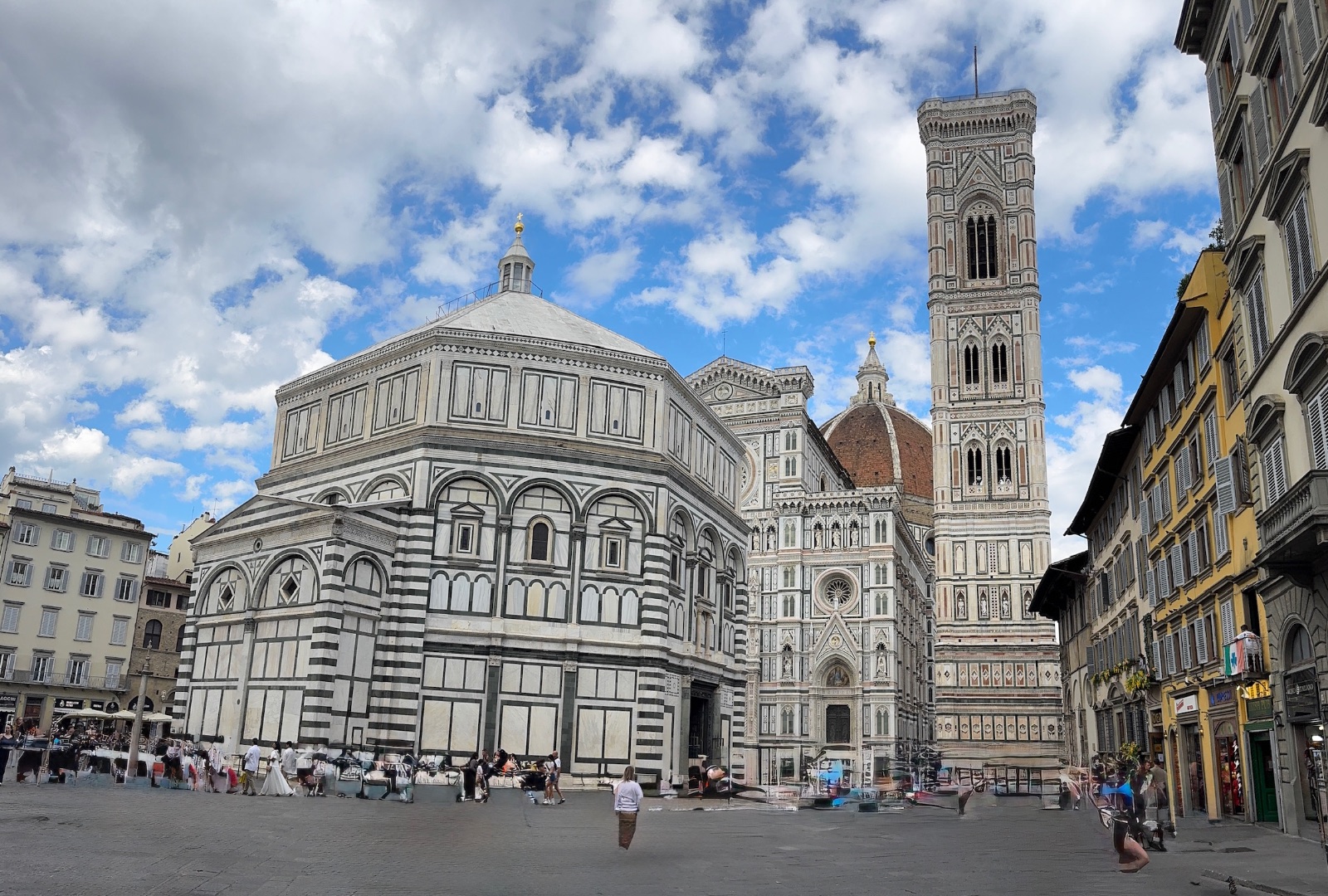
Picturing a golden autumn afternoon in a Florentine piazza? Send us your preferred travel month, and we'll design a trip that makes the most of the season.
How to Plan Your Italy Trip
- Share your dream: Tell us which cities and experiences excite you, how long you have and how much structure you'd like.
- We plan the details: Your Dream Designer recommends the right guided tour or builds a custom itinerary, books hotels, trains, transfers, guides and timed entries.
- You savor Italy: Arrive knowing everything is handled, from your first espresso to your last sunset.
Frequently Asked Questions
Should I take a guided tour for my first trip to Italy?
A guided tour is a great choice for a first trip if you want expert context and no logistics to manage. If you prefer more freedom, a custom itinerary with private guides offers the best of both.
Is it easy to travel around Italy without a tour?
Yes, especially by high-speed train between major cities. The main challenges are advance reservations for popular sights and driving rules in historic centers.
How many days do you need in Italy for a first trip?
Ten to fourteen days is ideal for Rome, Florence and Venice. With one week, focus on two cities.
What is the best month to visit Italy?
May, June, September and October generally offer the best weather and fewer crowds than midsummer.
Do I need to book the Vatican and Uffizi in advance?
Yes. Advance reservations are strongly recommended for the Vatican Museums and the Uffizi, and they are required for Leonardo's Last Supper in Milan.
Should I rent a car in Italy?
A car is useful in the countryside, such as Tuscany, but not in cities. Many historic centers restrict traffic, and trains or private drivers are easier between major cities.
Ready to see Italy your way? Plan your trip with a Dream Designer, and let's turn your Italian dream into an itinerary.