River Cruise vs. Ocean Cruise: Which One Is Really Right for You?
You've decided it's time for something different — a real trip, one that doesn't feel like everyone else's vacation. You've started looking at cruises, and somewhere along the way the question came up: what's actually the difference between a river cruise and an ocean cruise, and which one is going to give you the experience you're really after?
It's one of the most common questions we hear from travelers planning their first cruise — or their next one. These two types of travel share the word "cruise," but they're really two different experiences. Neither is better than the other. They're just built differently, and the right one depends entirely on what matters most to you.
Quick Answer: River cruises are smaller, more intimate voyages on inland waterways — typically 100 to 190 passengers — focused on cultural immersion and destination-rich itineraries. Ocean cruises are larger ships on open water with more onboard entertainment and a wider range of price points. The right choice depends on whether you prioritize the destinations themselves or the onboard experience.
---
What is the difference between a river cruise and an ocean cruise?
An ocean cruise takes place on a large ship — sometimes carrying several thousand passengers — sailing open water between ports. Think Caribbean islands, Mediterranean coastlines, or Norwegian fjords. The ship itself is often a significant part of the experience, with pools, theaters, restaurants, and activities designed to fill your days at sea.
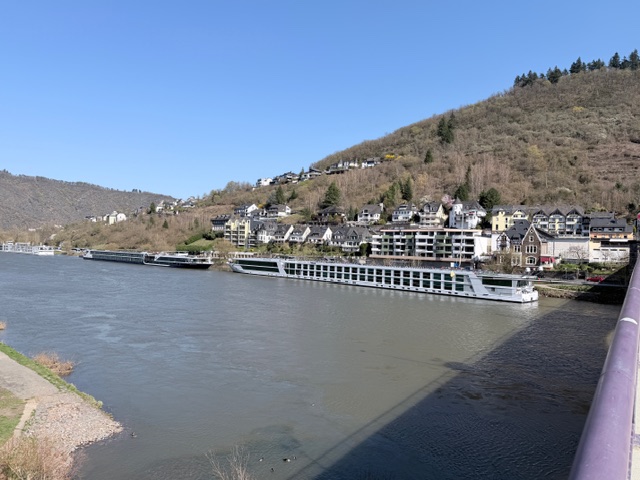
A river cruise is a fundamentally different animal. You're on a smaller vessel gliding along an inland waterway through the heart of a continent. Think the Danube through Austria and Hungary, the Rhine winding through Germany and the Netherlands, the Douro in Portugal, or the Mekong in Southeast Asia. You wake up in a different town or city nearly every morning — often docked steps from the historic center.
"Imagine a vacation where you travel through multiple countries without getting in a car, train, or plane, stay in a stylish hotel every night, and only unpack once."
That's the promise of river cruising — and for the right traveler, it's a hard experience to top.
---
How big are river cruise ships compared to ocean cruise ships?
Size is one of the most significant differences between the two — and it shapes nearly everything about your experience.
On a major ocean cruise line, you might be sharing a ship with 3,000 to 7,000 other passengers. For some travelers, that energy is part of the fun. For others, it's exactly what they're trying to get away from.
River cruise ships carry far fewer guests — most have between 100 and 190 passengers. That means you're likely to know your fellow travelers by name by day two, dinner feels relaxed rather than chaotic, and the whole experience is quieter and more personal.
The size difference also changes how you experience destinations. Ocean cruise ships often dock at commercial ports that require a bus transfer to reach anything interesting. River cruise ships pull directly into the heart of cities and villages — sometimes literally in the center of town. You can walk off the ship and into a Christmas market, a historic square, or a local café within minutes.
---
What does the onboard experience feel like on each?
Ocean cruise — built around the ship: - Multiple restaurants, bars, and entertainment venues - Pools, spas, casinos, and Broadway-style shows - Days at sea with the ship as the destination - Wide range of price points - Family-friendly options widely available - More activities for travelers who want to stay busy onboard
River cruise — built around the destinations: - Elegant, boutique-style ships with refined dining - Usually one restaurant, one lounge — done exceptionally well - Nearly every day in port — the world outside is the entertainment - All-inclusive pricing often covers excursions and drinks - Tends to attract couples and adults seeking cultural depth - Slower, more intentional pace
---
Is a river cruise more expensive than an ocean cruise?
River cruise pricing often looks higher at first glance — but it's worth doing the math before drawing conclusions.
Many river cruise lines, including AmaWaterways, Viking, Uniworld, and Avalon Waterways, include shore excursions, wine and beer with meals, onboard Wi-Fi, and sometimes even gratuities in the base fare. Once you add those same costs to an ocean cruise booking, the price gap frequently closes or disappears entirely.
The better question isn't which is cheaper — it's which delivers the experience you're actually looking for at a price that feels worth it to you.
---
Where do river cruises go?
River cruising is far more geographically diverse than most people realize. While Europe remains the most popular region — with the Danube, Rhine, Seine, Douro, and Rhône among the most-traveled waterways — river cruising has expanded significantly around the world.
- Europe: Danube, Rhine, Seine, Douro, Rhône, Moselle, Elbe
- Southeast Asia: Mekong (Vietnam and Cambodia), Irrawaddy (Myanmar)
- Africa: Chobe River (Botswana and Zimbabwe), Nile (Egypt)
- South America: Amazon (Peru and Brazil)
- United States: Mississippi River, Columbia and Snake Rivers (Pacific Northwest)
A classic European river cruise might take you through four or five countries over eight days — waking up to church bells in a Bavarian village, walking through vineyards in the afternoon, and sitting down to a locally sourced dinner that evening. It's a different kind of richness than covering miles on the open ocean.
---
Who is a river cruise best suited for?
River cruises tend to be an exceptional fit for travelers who love history, culture, and food — and who want to feel like they're moving through a place rather than just visiting it. They're particularly popular with couples and adults who prefer a quieter, more intentional pace.
They're generally less suited for families with young children, travelers on tight budgets, or anyone who wants a high-energy onboard entertainment scene.
The river cruise industry is expected to grow by more than 11% through 2036 — and travelers who've experienced both often say they wish they'd discovered river cruising sooner.
---
Frequently Asked Questions
Are river cruises good for first-time cruisers?
Yes — many first-time cruisers find river cruises a less overwhelming introduction to cruising. The smaller ship size, calmer waters, and destination-focused itineraries appeal to travelers who are curious about cruising but not sure they want the full large-ship experience. That said, ocean cruises offer a wider range of entry-level price points and more onboard entertainment, which some first-timers prefer.
Do river cruises have rough seas or motion sickness concerns?
No. Because river cruises travel on calm inland waterways rather than open ocean, motion sickness is rarely a concern. This makes river cruising a particularly appealing option for travelers who have avoided ocean cruises due to seasickness worries.
How long are most river cruises?
Most river cruise itineraries run between 7 and 15 days. The most popular European voyages are typically 8 days (7 nights), though grand itineraries combining multiple rivers can extend to 15 or more days. Shorter tasting cruises of 4 to 5 days are also available on some routes.
What are the most popular river cruise lines?
The most well-known river cruise lines include Viking River Cruises, AmaWaterways, Uniworld Boutique River Cruise Collection, Avalon Waterways, and Scenic. Each has a distinct style, price point, and included amenities. Working with a travel advisor who specializes in river cruising is the best way to find the right line for your travel style and budget.
Can you do a river cruise in the United States?
Yes. The Mississippi River is the most prominent domestic river cruising destination, with itineraries often exploring New Orleans, Memphis, and the historic antebellum South. American Queen Voyages is one of the best-known operators on U.S. rivers. The Columbia and Snake Rivers in the Pacific Northwest are also popular options.
What is the best time of year to take a European river cruise?
Spring (April–May) and fall (September–October) are generally considered the best times for European river cruises, offering mild temperatures, fewer crowds, and beautiful scenery. The Christmas market cruises of November and December have become extremely popular on the Rhine and Danube. Summer sailings are also lovely but tend to book earlier and can feel warmer onboard.
---
Ready to find the right cruise for you?
At Dreams Fulfilled Travel, our Dream Designers specialize in matching travelers with experiences that actually fit their lives, their travel styles, and what they're hoping to feel when they get home. River cruise, ocean cruise, or something else entirely — we'll help you figure it out.
Reach out to us and let's start planning the trip you've been putting off.
---
Written by the Dreams Fulfilled Travel Team. Dreams Fulfilled Travel is a full-service travel agency and proud member of the Signature Travel Network, specializing in international travel, river and ocean cruising, and all-inclusive resort experiences.